News & Insights
Perspectives on global
business banking
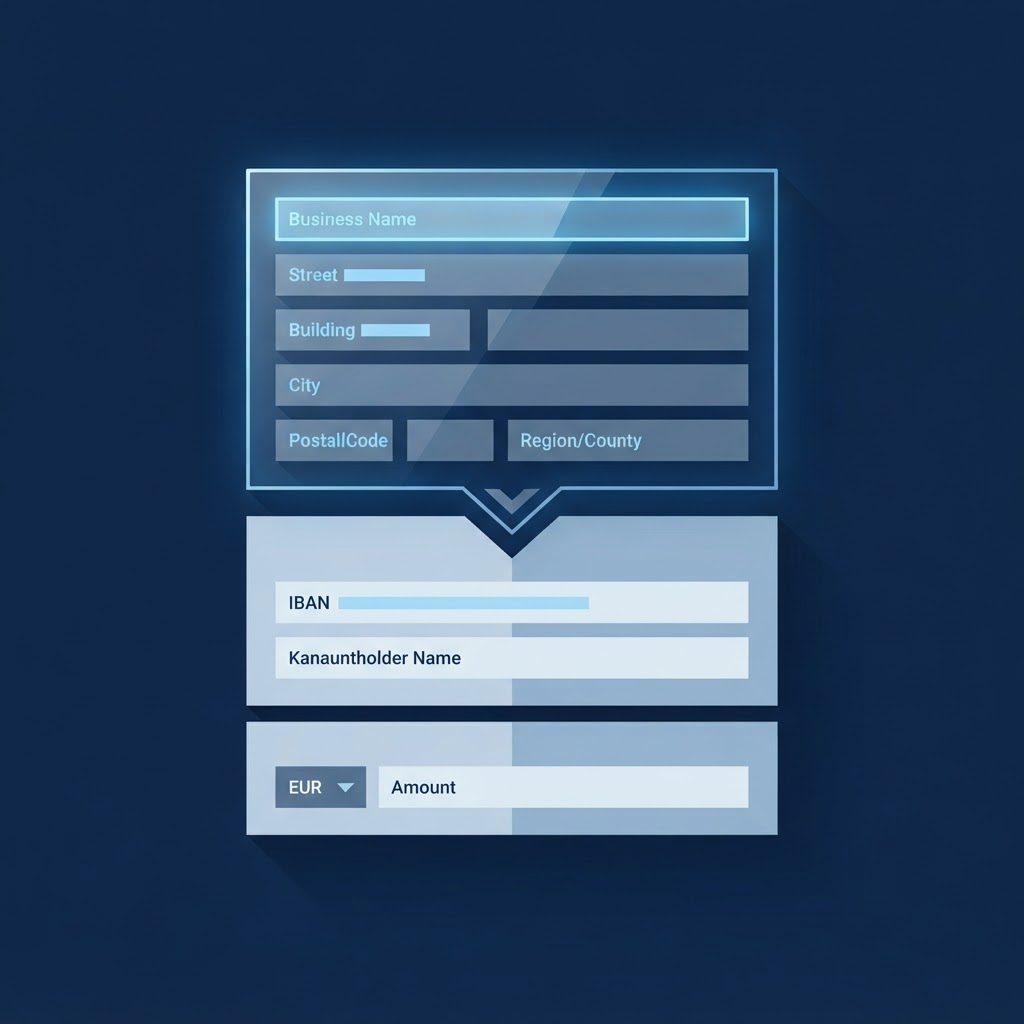
SEPA Transfer UK to Germany: Rules, Cost and Speed
How a SEPA transfer from the UK to Germany works for businesses: the payer address rule, the November 2026 change, timing, cost and Bundesbank reporting.
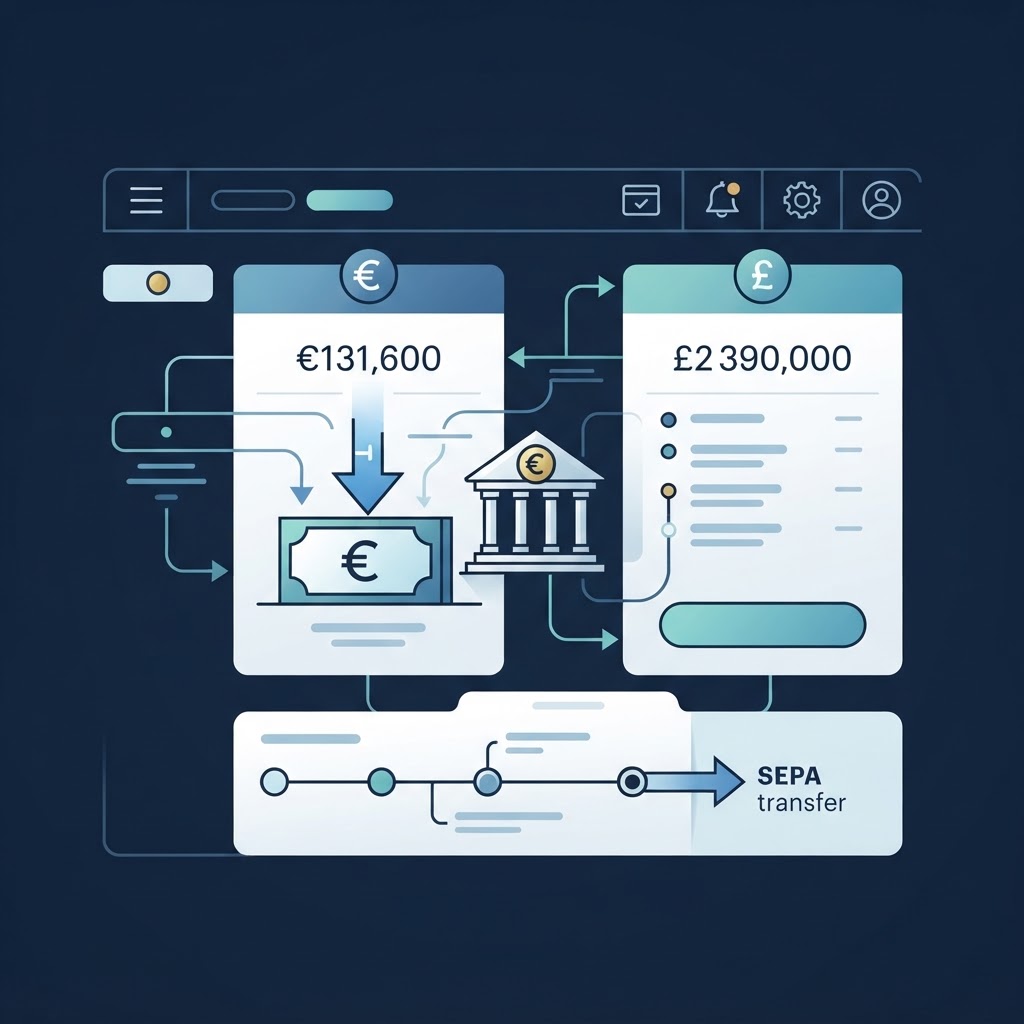
Which UK Banks Accept SEPA Payments? The 2026 Answer
Which UK banks accept SEPA payments, from their own pages, how to verify any bank in the EPC register, and what receiving euros really costs.
Named Virtual IBAN: Why the Name Behind It Decides
A named virtual IBAN returns your company name to Confirmation of Payee and Verification of Payee checks. How the check works, and how to test yours.
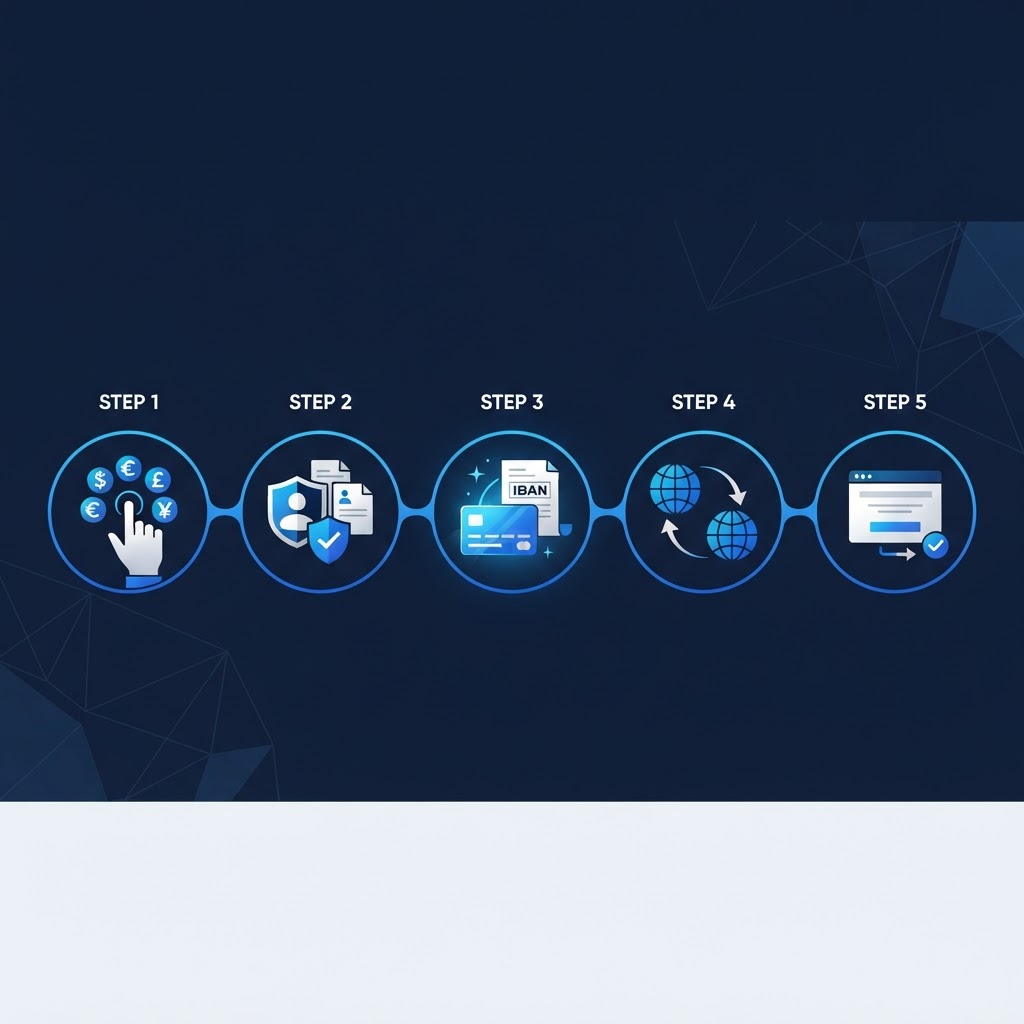
How to Get a Virtual IBAN: A 5-Step Guide for Businesses
How to get a virtual IBAN for your business: the account you actually apply for, the KYB documents, timelines, and the structure checks to run first.

Stablecoin Cross-Border Payments: The 2026 Map
Stablecoin cross border payments in 2026: who is building the rails, the three models businesses meet, and the UK, EU and US rules that decide the route.

Multi Currency Business Account UK: Rails, IBANs, Costs
How a multi currency business account works in the UK: which rail each currency uses, what an IBAN really gets you, and where the cost hides. Sourced.

Best Treasury Management Software for Smaller Groups
The best treasury management software by size: real 2026 price bands and implementation times for Kyriba, Trovata, Agicap, Nomentia and Embat.

Best Multi Currency Business Account UK: How to Compare
The UK rankings disagree on fees and even on FSCS cover. Four tests that decide the best multi currency business account for your business, with sources.

Best Cross Border Payment Services for UK SMEs (2026)
The best cross border payment services for UK businesses compared on FX margin, rail fees, subscriptions and regulation, with a worked cost example.

Safeguarding vs FSCS: What Protects a Business Balance
Safeguarding vs FSCS for a business: the 120,000 GBP cap, uncapped ring-fencing, payout speed, and three things most comparisons get wrong.
PSR 2017 Safeguarding Requirements, in Plain English
PSR 2017 safeguarding requirements explained: regulation 23 rule by rule, the rules added on 7 May 2026, and what to ask your payment provider.

Cross Border Payments over SWIFT: Why They Take Days
How cross border payments move over SWIFT, why one lands in minutes and another takes days, and what each hop costs a UK business in fees and FX.

AI Agent Payments: How an Agent Gets Permission to Spend
AI agent payments explained: the four ways an agent gets permission to spend, what UK law treats as consent, and a checklist before you let one pay.

Foreign Currency Business Account UK: What Banks Hide
UK bank foreign currency accounts rarely disclose their FX margin or let new customers apply directly. Here is what to check before you choose one.

Business Bank Account With an IBAN: Do You Need One?
Every UK business current account already has an IBAN. The real choice is the currency it holds, and whether a bank or a payment institution is behind it.

What Is a Multi Currency Business Account, Really?
A multi currency business account holds several currencies at once. What that means mechanically, and how to tell if your business actually needs one.

Payment Institution vs Bank: What Changes for Your Money
A bank takes deposits and lends them. A payment institution legally cannot hold your money at rest at all. What that changes for a UK business.

AI for Treasury Management: What It Really Automates
What AI in treasury management genuinely automates, what it cannot, and why a small multi entity group should fix its data before it buys a model.

AI Agent Payment Rails: Cards, Bank or Stablecoin?
The rails an AI agent can pay over: cards, bank transfer, stablecoins, and what UK cVRP changed. How to choose, and which account funds the payments.

Is My Money Safe With a Payment Institution? Honestly
Is your money safe with a payment institution? Not FSCS insured, ring-fenced instead. The 65 percent shortfall figure, and five checks to run.

Can Stablecoins Be Used for Cross-Border Payments?
Can stablecoins be used for cross-border payments? Yes, but never end to end: what the round trip really costs, and where the UK rules now sit.

Are AI Agent Payments Safe? What the UK Rules Say
Are AI agent payments safe? It is two questions: can the payment be stopped, and who bears the loss under the UK PSRs 2017. A finance team's answer.

AP2 Protocol for AI Agent Payments: What Mandates Prove
The AP2 protocol for AI agent payments moved to FIDO and dropped the three mandate model. What v0.2 signs, and what a mandate proves under UK rules.

AI Agent Stablecoin Payments: Where x402 Fits
AI agent stablecoin payments explained for a finance team: what x402 actually settles, what a USDC agent wallet is not, and where the UK rules now sit.

AI Agent Payment Infrastructure: What to Require
AI agent payment infrastructure has three layers: mandate, rails, and the regulated account. What to require of each before you move company money.

What Is a Payment Institution? A Plain English Answer
A payment institution is licensed to move money, not to hold deposits. What that means for your business account, in the UK and across the EEA.

Intercompany Payments: The Settlement Layer Nobody Prices
Intercompany payments are a settlement problem, not only an accounting one. What each internal transfer costs, when netting pays off, and the UK tax line.

Multi-Currency Treasury for SMEs: Building Control Across Borders
For internationally active SMEs, multi-currency banking is no longer just a payment convenience. It is a treasury operating model that improves liquidity visibility, reduces avoidable FX costs, and makes cross-border growth more predictable.

IBAN vs SWIFT vs BIC: Which Number Your Payment Needs
IBAN vs SWIFT vs BIC, decided by corridor: which identifier a UK, SEPA or global business payment actually needs, and what the wrong one costs you.

How to Open a Multi Currency Account: The Real Process
Opening a multi currency account is a compliance review, not a signup. The eligibility gate, the document pack, the timelines and what stalls it.

EMI vs Payment Institution: Which One Holds Your Money
An electronic money institution issues stored value, a payment institution moves it. What that changes for your business money, and what it does not.

Business IBAN Account: Dedicated or Virtual IBAN?
A business IBAN account can be a dedicated IBAN or a virtual one over a pooled account. What changes, and why Verification of Payee now makes it matter.

Treasury Management Software: Do You Actually Need It?
What treasury management software costs, the thresholds that justify it, and three cheaper fixes to try before you sign a six-figure contract.

EXFI Launches Personal Accounts in Early Pilot
EXFI personal accounts are now live. We are opening onboarding in a controlled pilot limited to roughly 100 individual clients per partner per month, with cards scheduled for the end of the year.

Multi Currency Business Account: What to Check First
A multi currency business account is often not a bank account. Who holds your money, which rails you get, and what it really costs.

Authorised Payment Institution: What the Status Means
What an authorised payment institution can do with your money, how it differs from a bank or an EMI, and how to check one on the FCA register.

Cross-Border Payments Without the Friction: Why Smart Routing Matters More Than Ever
International payments remain a friction point for SMEs and mid-market businesses. The gap between the capabilities of large institutions and mid-market reality is where competitive advantage emerges.
How to Structure Bank Accounts for an International Group Structure
Multi-entity businesses operating across jurisdictions typically overpay for banking by 300–500% compared to optimal infrastructure. Here is exactly how to structure accounts to minimise cost, maximise visibility, and eliminate intercompany payment friction.
What is EXFI? FCA-Regulated Multi-Currency Banking for International Businesses
EXFI provides FCA-regulated multi-currency accounts, international payment infrastructure, and real-time treasury tools for European SMEs and internationally operating group structures.

Treasury in Motion: How International Businesses Are Rethinking Cash Management
The treasury function has historically been reactive — focused on reporting what happened rather than shaping what happens next. That is changing, and the businesses adapting earliest are gaining a measurable edge.

FCA Regulation and What It Actually Means for Your Business Account
The term 'FCA-regulated' appears across the fintech landscape. But what does it actually mean for the safety of your business funds — and what doesn't it cover? A plain-language guide.

The Intercompany Payment Problem Nobody Talks About
Moving money between your own companies should cost nothing and take seconds. For most businesses, it takes days and costs hundreds. Here's the structural reason — and how to fix it.

Why International Businesses Are Paying Too Much to Move Money
For European SMEs and globally operating companies, cross-border payments remain one of the most expensive and opaque costs in business. Here's why — and what's changing.